Harold Eugene Edgerton
American, 1903–1990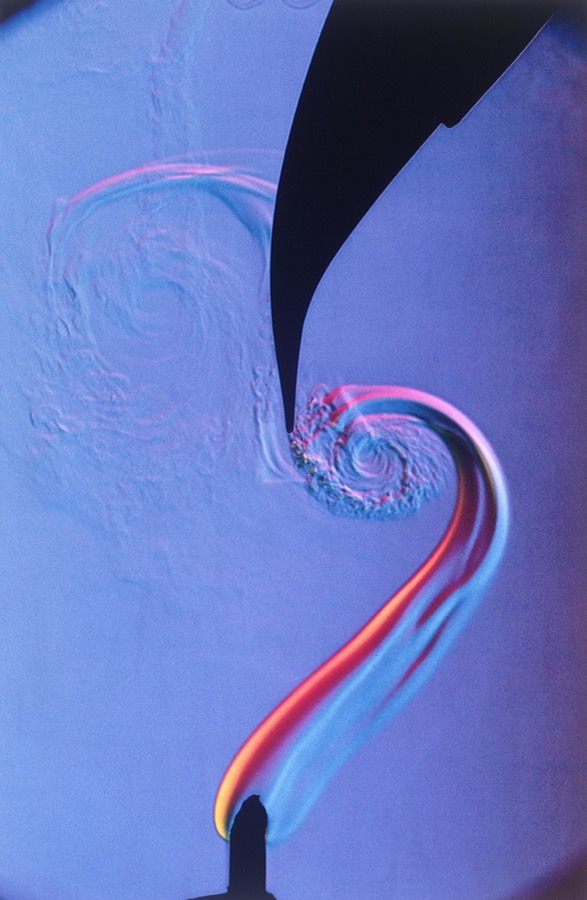
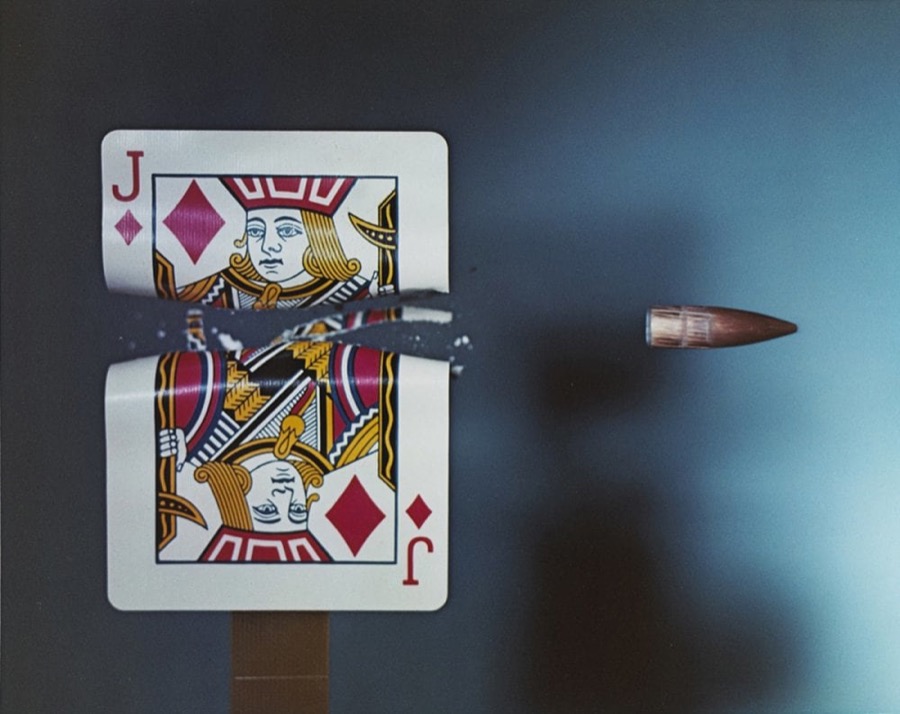
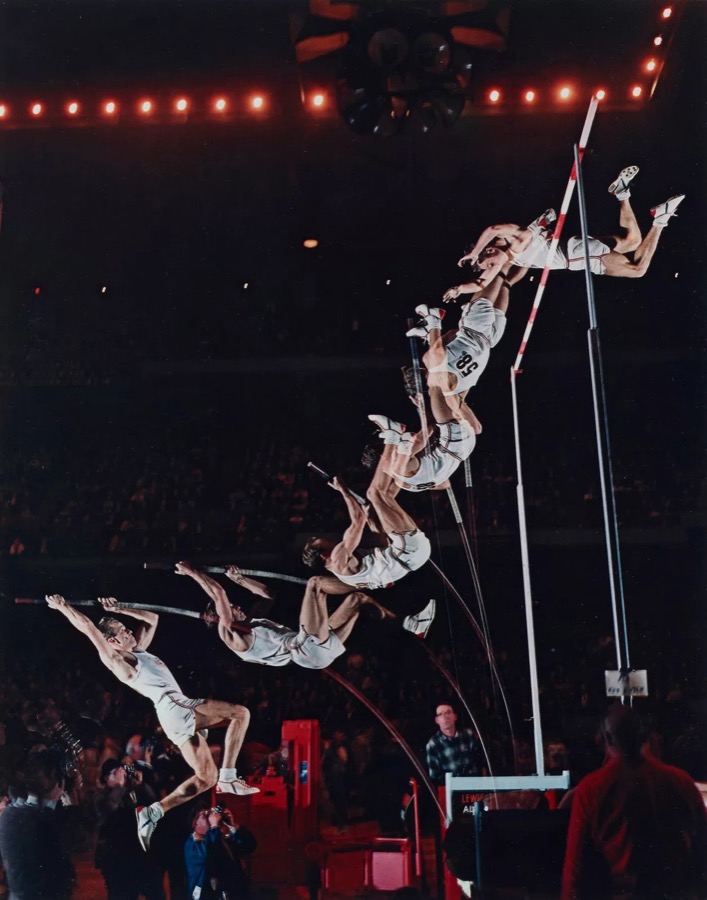
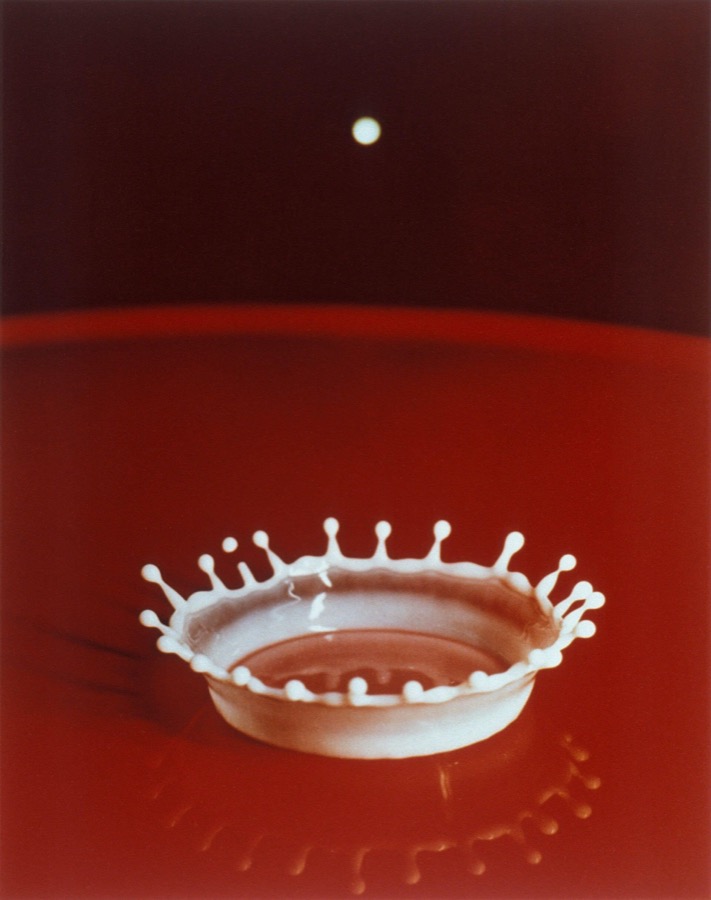
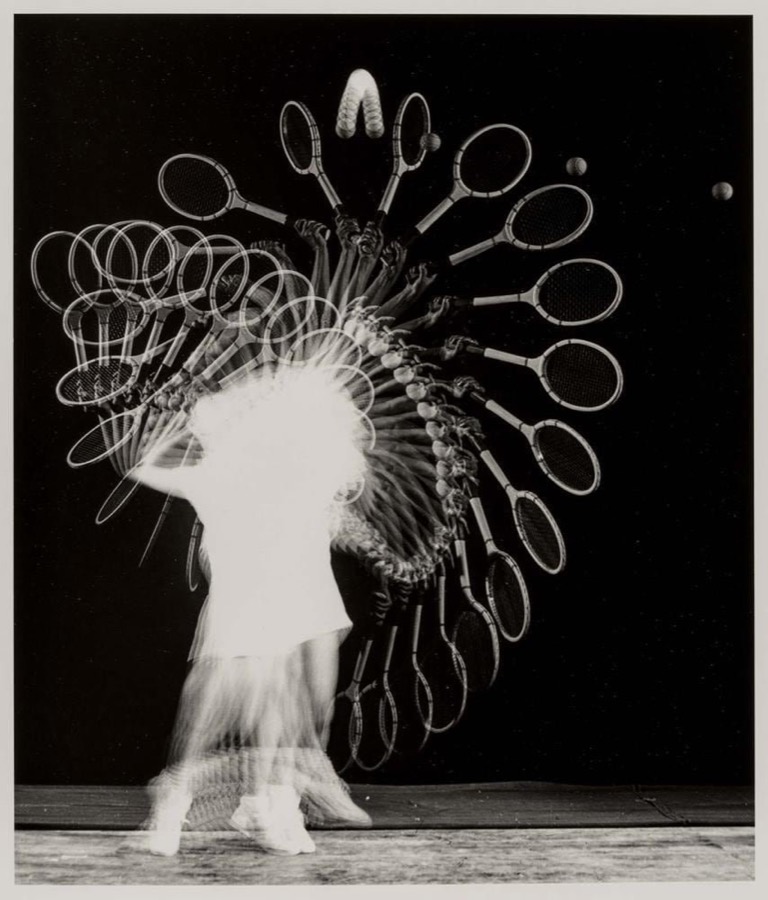
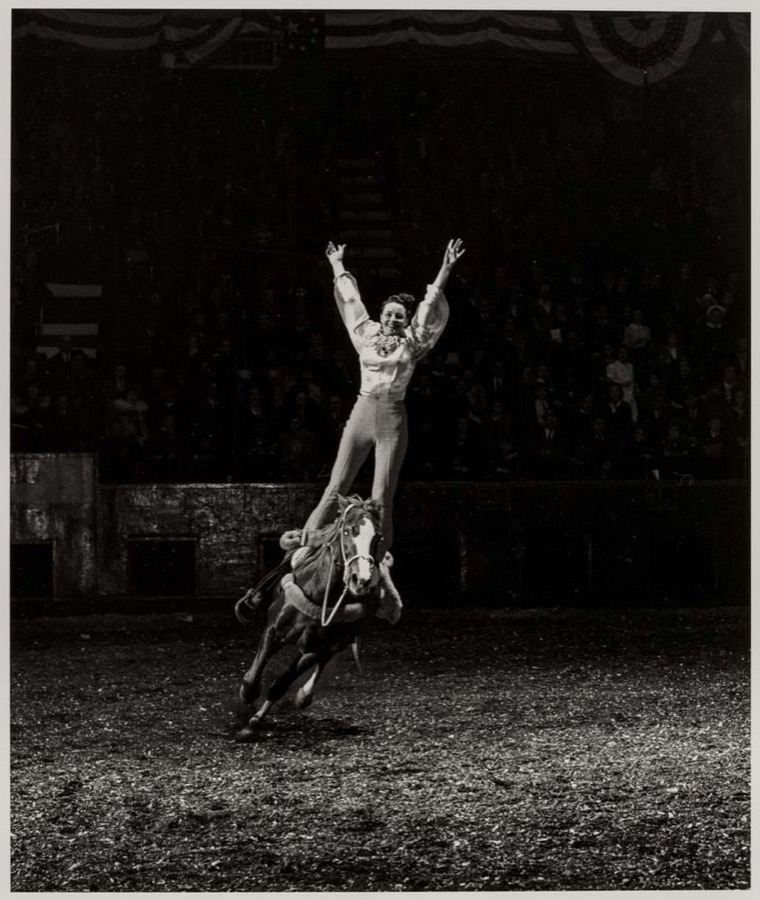
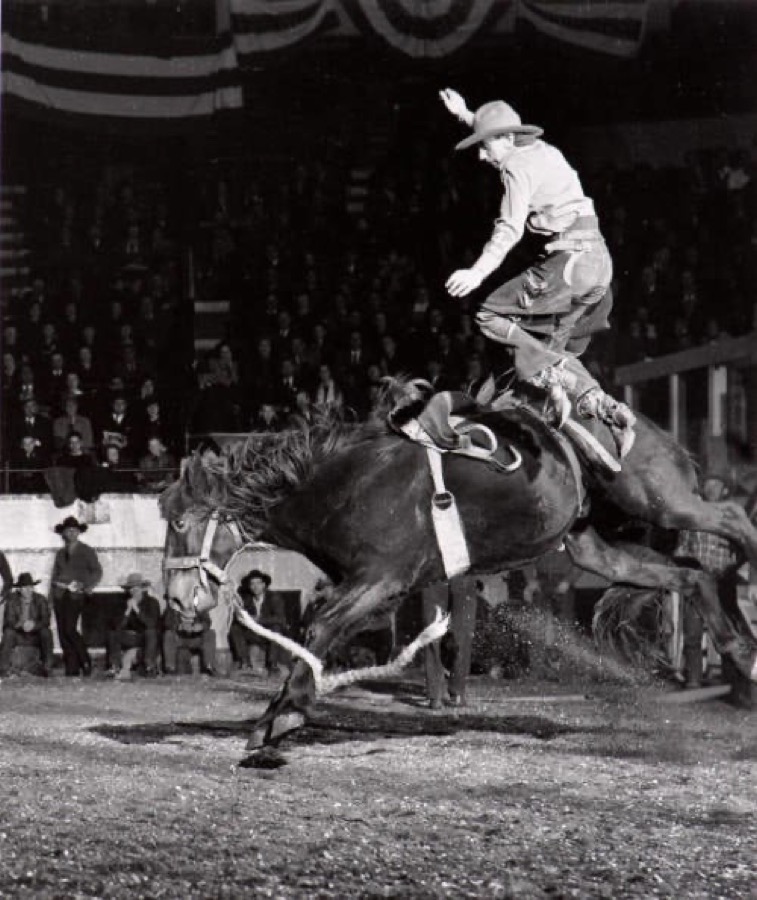
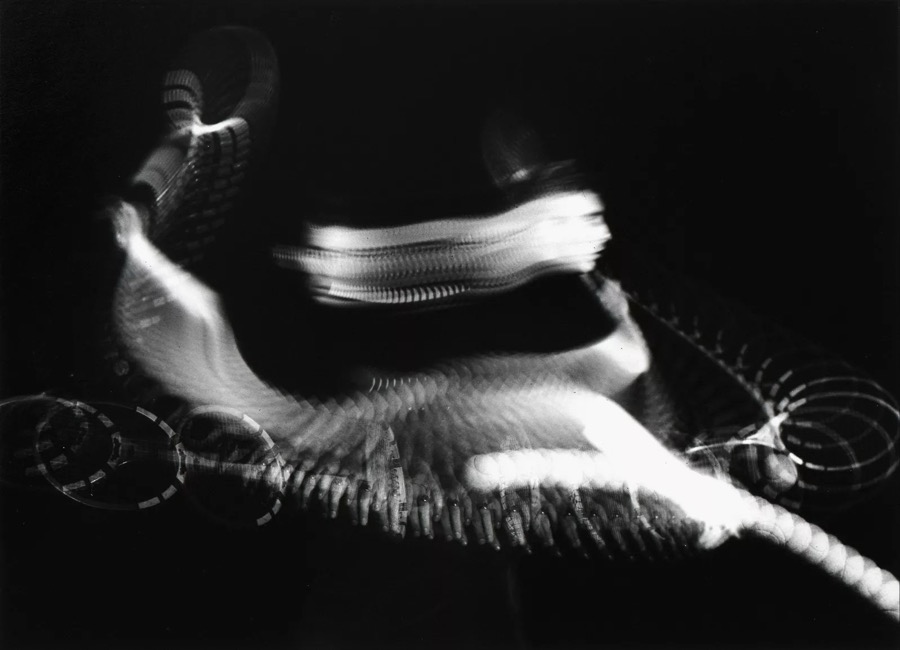
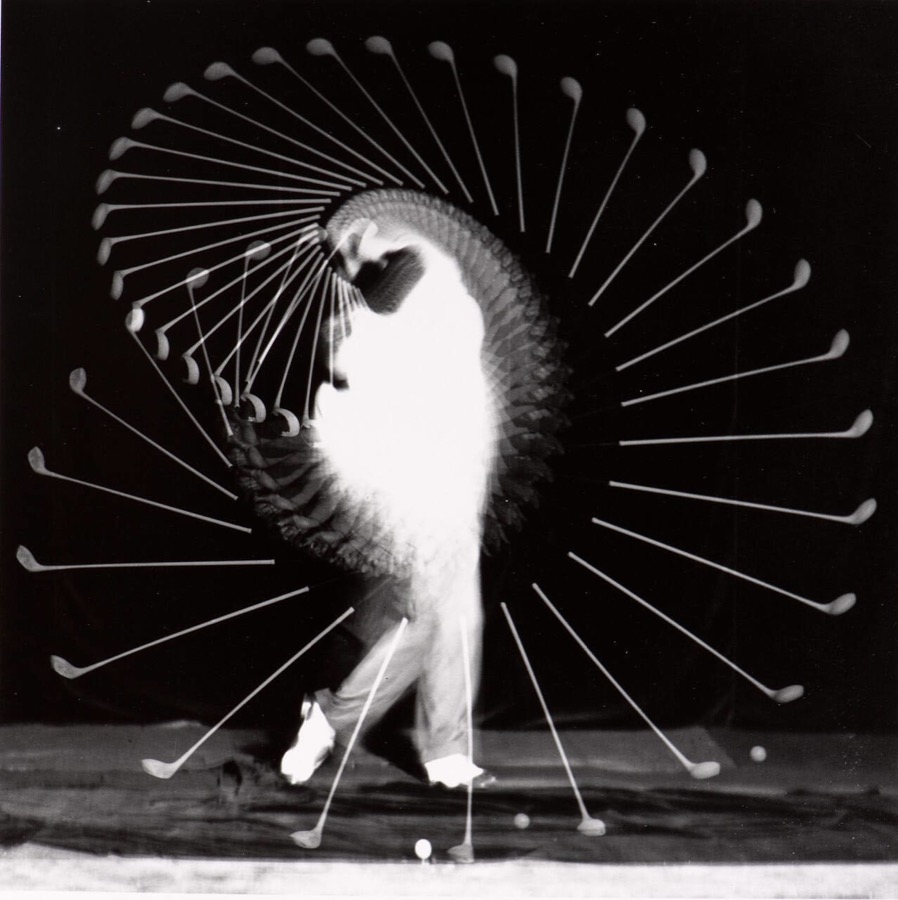
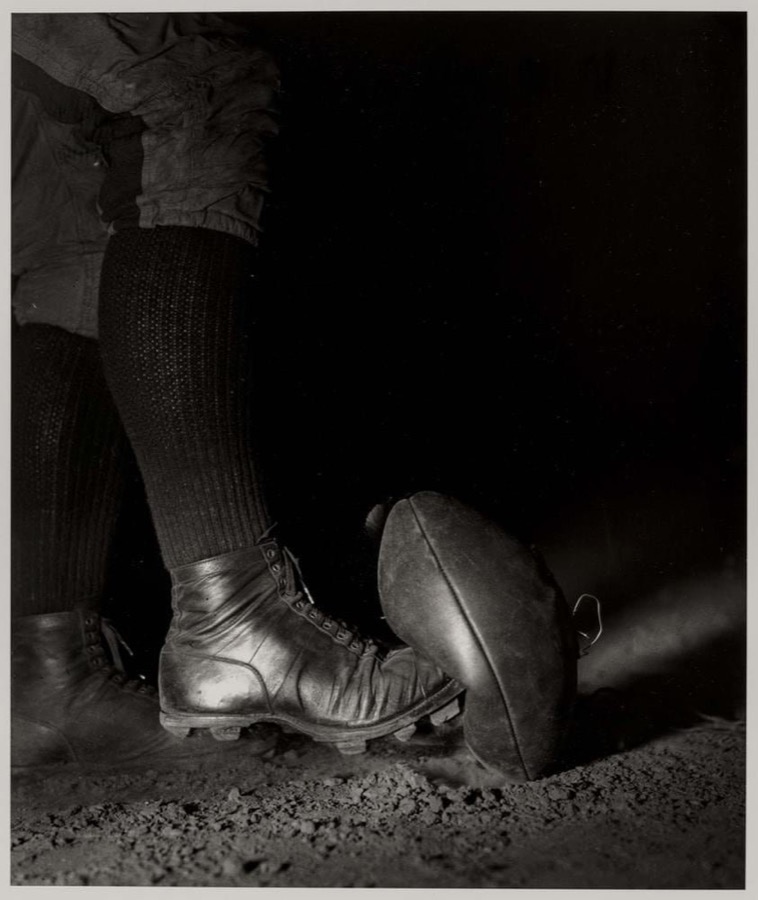
Harold "Doc" Edgerton, born on April 6, 1903, and died on January 4, 1990, was an American scientist, electrical engineer, and inventor.
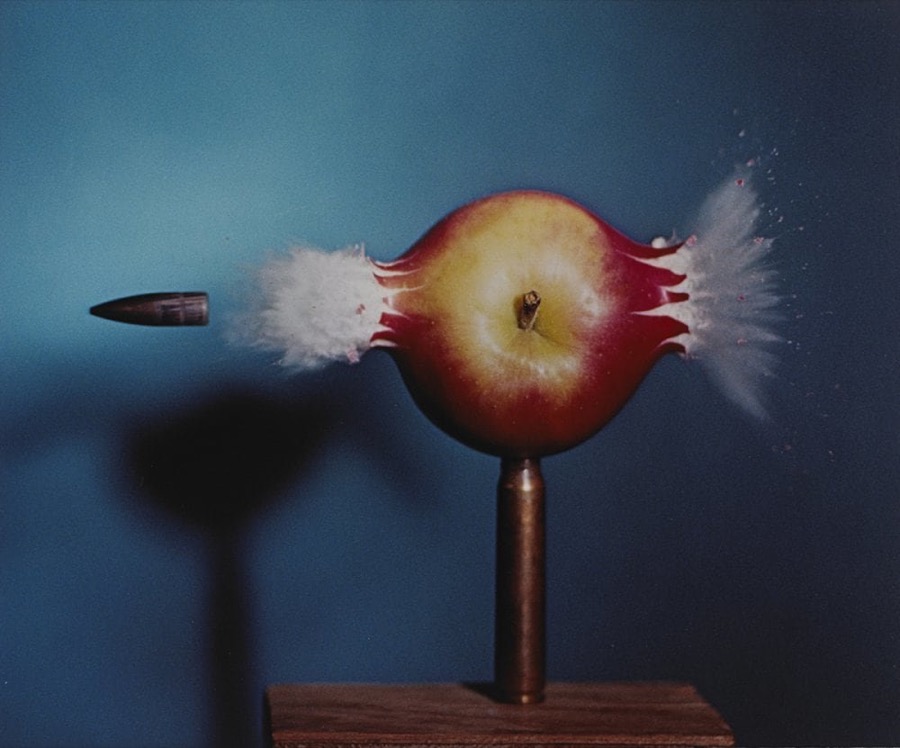
He was a professor at the Massachusetts Institute of Technology (MIT) and is best known for his invention of the strobe light, which revolutionized photography, science, military surveillance, and filmmaking.
Edgerton's work was the subject of a retrospective at the International Center of Photography, and he was given ICP's Infinity Award for Lifetime Achievement in 1987.
He also performed the first-ever underwater time-lapse photography in 1968 and invented various sonar devices. Edgerton's innovative work has had a lasting impact on various fields, and he is celebrated for his philosophy of "Work hard. Tell everyone everything you know. Close a deal with a handshake. Have fun!"
His photographs were exhibited for the first time in 1933, at the Royal Photographic Society in London, and Beaumont Newhall included his work in the first exhibition of photography at the Museum of Modern Art in 1937.
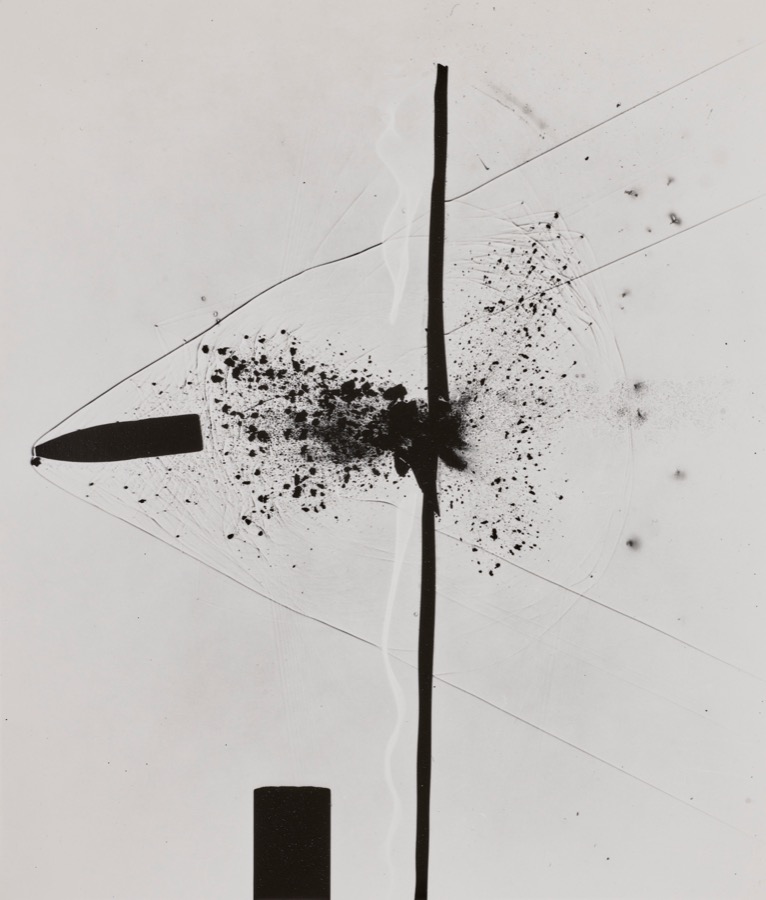
The photographs that resulted from his scientific experiments were championed in the 1930s as representative of the New Objectivity, the American counterpart to the German Neue Sachlichkeit.
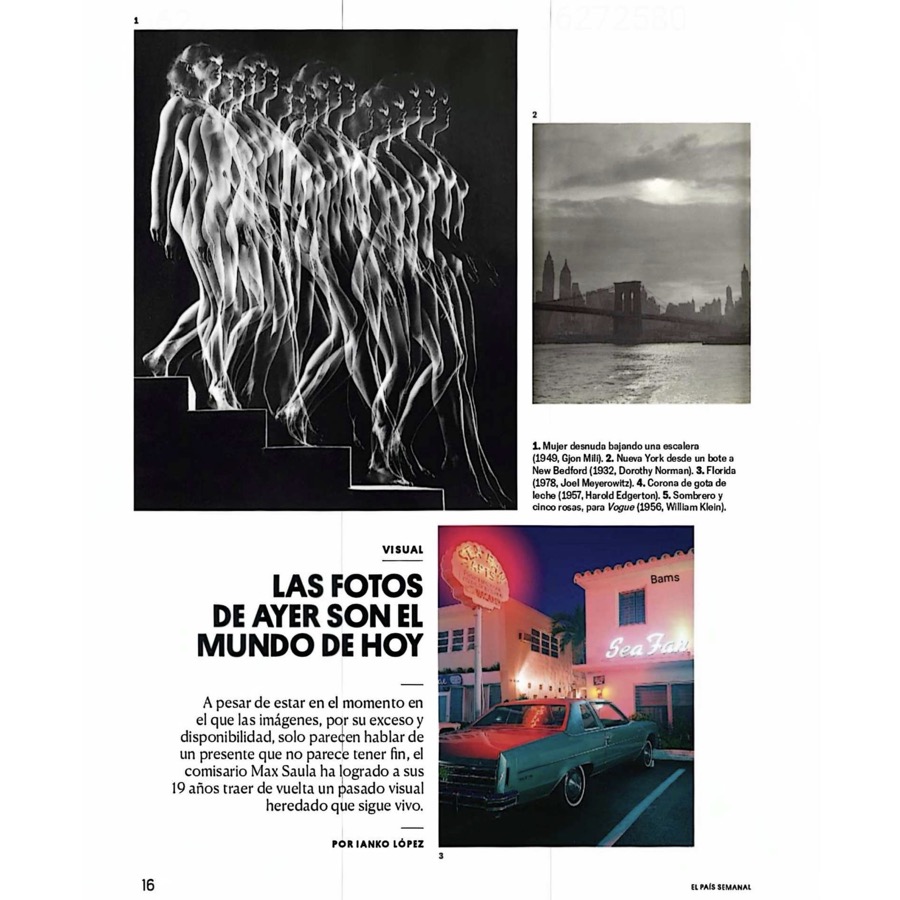
Edgerton's photography of split-second motion may be seen as an expansion beyond the nineteenth-century locomotion studies of by Eadweard Muybridge and Étienne-Jules Marey.