
Steven Meisel
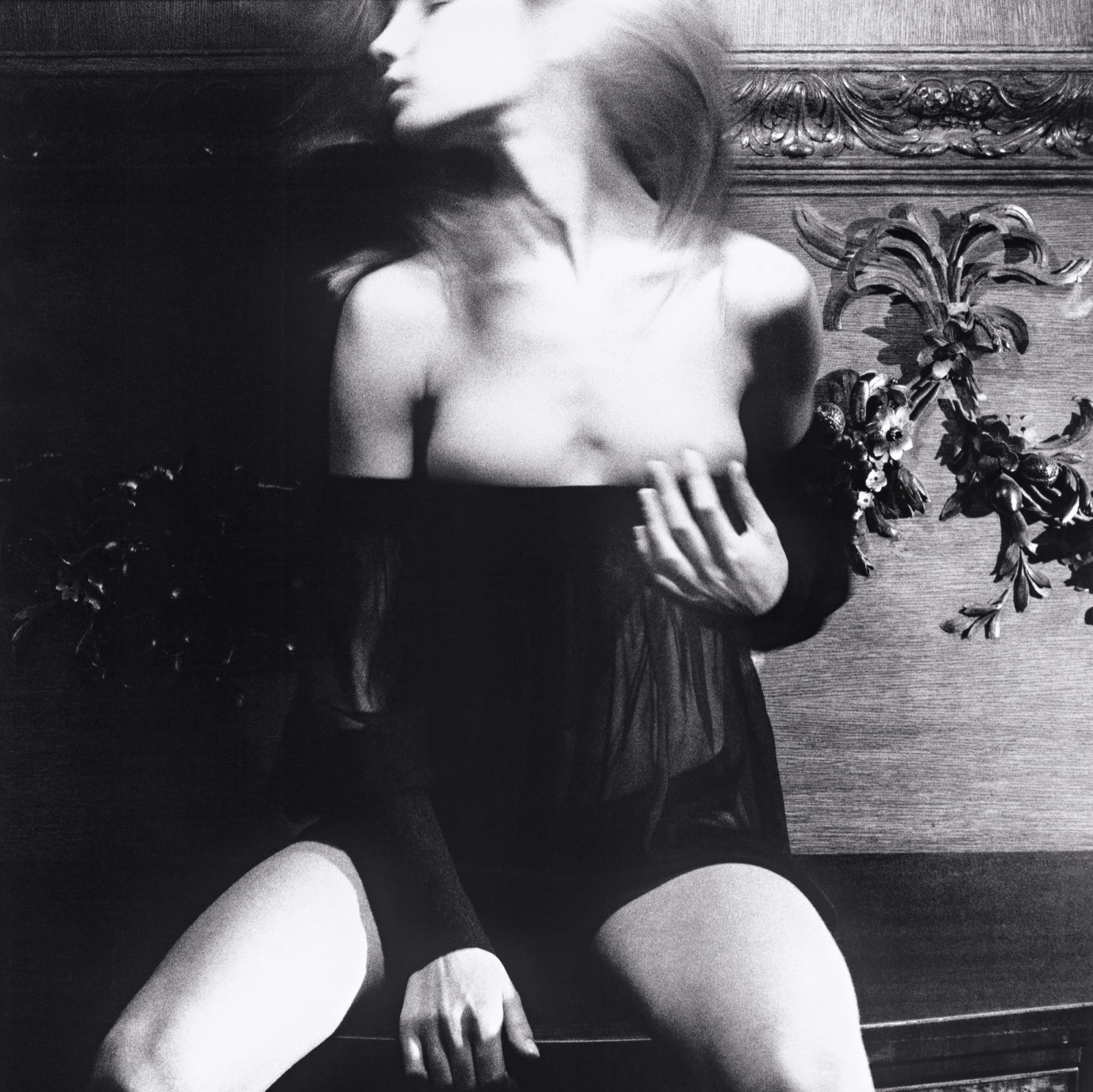
American, b. 1954Natalia Vodianova, Woolworth Estate, Glen Cove, Long Island, New York, 2002
Archival Pigment Print.
Small / Image: 50.8 x 50.8 cm / 20 x 20 in / Sheet: 61 x 61 cm / 24 x 24 in
Medium / Image: 101.6 x 101.6 cm / 40 x 40 in / Sheet: 106.7 x 106.7 cm / 42 x 42 in
Large / Image : 152.4 x 152.4 cm / 60 x 60 in / Sheet : 157.5 x 157.5 cm / 62 x 62 in
XL TBC
Hand-signed by artist, titled, numbered and print date in ink label affixed to mount verso
Edition of 7 — Image: 50.8 x 50.8 cm / 20 x 20 in / Sheet: 61 x 61 cm / 24 x 24 in
Edition of 6 — Image: 101.6 x 101.6 cm / 40 x 40 in / Sheet: 106.7 x 106.7 cm / 42 x 42 in
Edition of 3 — Image : 152.4 x 152.4 cm / 60 x 60 in / Sheet : 157.5 x 157.5 cm / 62 x 62 in
Edition of 1 — TBC
© The Artist
No photographer has shaped the image of fashion over the past forty years more completely than Steven Meisel. The author of nearly every Vogue Italia cover for three decades, collaborator on Madonna's Sex and discoverer of countless faces, he is a chameleon without a fixed style — except for an unrivalled command of mood, narrative and the history of his own medium, which he quotes and reinvents at will.
This 2002 portrait of Natalia Vodianova, made at the Gilded Age splendour of the Woolworth Estate on Long Island, shows the quieter, more painterly side of that intelligence. Bare-shouldered in a dark dress, set against the carved and gilded panelling of a great room, she turns her head so that the gesture blurs into the soft grey light — caught between stillness and motion, presence and dissolve. The opulence of the setting melts into pure atmosphere; what remains is intimacy.
Meisel directs as much as he photographs, and the restraint here is its own kind of bravura: where another image might flaunt the dress or the estate, this one withholds, trusting suggestion over display. There are echoes of Pictorialism and of old society portraiture, filtered through a thoroughly modern sensuality. The effect is glamour with an undertow of feeling — a young model who would become one of her generation's defining faces, photographed by the man who, more than any other, decides how beauty is seen. Few names carry more authority in the medium, and few images make that authority feel so much like tenderness. Famously private, Meisel rarely explains himself; the pictures, supremely controlled, do the talking, and they have dictated the look of magazines for a generation.